by Scott F. Aikin and Robert B. Talisse
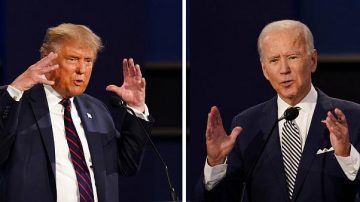
The first of the US Presidential debates between incumbent Donald Trump and challenger Joe Biden is complete, and from the looks of the political landscape after Trump’s positive COVID test, it may be the only debate for this election cycle. Most who watched the debate called it a ‘food fight,’ a ‘brawl,’ or worse. Trump interrupted Biden, there was too much crosstalk, there were insults, and Biden even told the President to “Shut up, man!” Anyone who tuned in to see two candidates for America’s highest office exchange well-reasoned arguments, hold each other accountable to challenge, and answer each other’s questions was sorely disappointed.
But the reality is that debates never have been that idealized exchange. For sure, many debates have better resembled it than this more recent one, but no debates have been close to that aspirational posit. Rather, the debates are more simultaneous campaign events, where the candidates can recite clips of their stump speeches, drop practiced one-liners, and play at having rapport with the moderator when being held to the rules of the debate. What makes them important in this argumentative regard, then, is how well they enact their brand within the rules of the forum. It’s along these lines that we think that Trump is right that he won the debate.
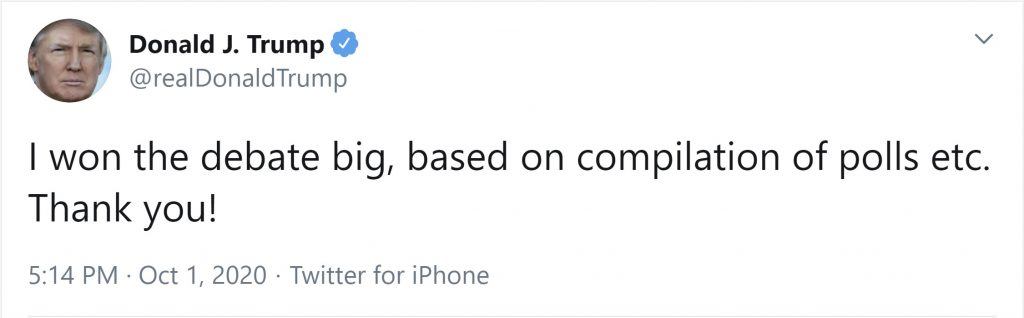
Biden’s brand is that he is the moderate who can beat Trump. Trump’s brand is that he is the powerful disruptor, the one who is so strong that no rules can constrain him. Seen from this perspective, the debate was wholly a case of Trump’s singular dominance. He, again, interrupted Biden, he derailed Biden’s argument about his disparagement of the military with a shot about Biden’s younger son, he squabbled with the moderator about whether the rules were right, and he consistently went over his allotted times. He indeed was a disruptor, one to whom the rules do not apply. He was consistently and manifestly on-brand. Read more »

 Sughra Raza. Lesser Weaver Nests, Akagera National Park, Rwanda. 2018.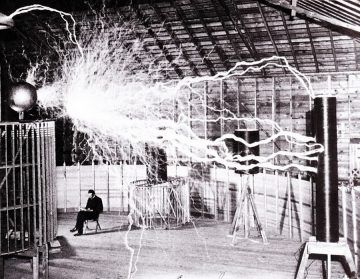
 Donald Trump’s presidency has generated a greater than normal interest in American politics, but not necessarily for the right reasons. How, people wondered, could such a poorly qualified candidate, and, as we have seen over the years, of equally poor calibre possibly become the President of the United States and leader of the ‘free’ world?

 Irish-Canadian author
 In my earlier column, “