by Anton Cebalo
In the first century AD, a passionate didactic poem was written in Latin and later bundled with Virgil’s work. However, the style is so drastically different from his that the author’s real name is likely permanently lost.
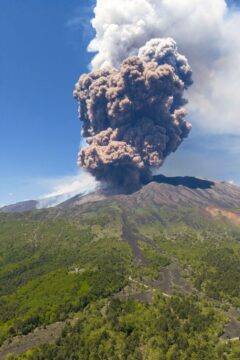
Aetna is a poem that revolves around explaining how Mount Etna (“Aetna” in Latin) on the island of Sicily erupts. Whoever wrote it must have made an altar in his mind devoted this volcano which was the most active in the region then. Mount Vesuvius had not destroyed the Roman city of Pompeii yet.
Aetna shall be my poetic theme and the fires that break from her hollow furnaces.
The poem is written romantically, as an ode to nature and to not underestimate the fiery infernos of Earth. It may be one of the few classical works that deals explicitly with the Earth as a victim and the consequences of taking from the land without paying it back in kind.
What’s also unique about the poem is that it is explicitly naturalistic. In a time of lyrical myth-making, the author spends the opening dismissing three leading myths about Aetna. No, he writes, Aetna is organic and has to be understood on her own terms. He speaks of Aetna as a body full of underground rivers, caves, and winds that carry the fire. He describes them in great detail to rationally understand how the volcano lives and moves.
This would be rare in classical poetry on its own, but the real emotional heart of the poem is what follows this naturalistic exploration. For it’s not really just about Aetna, but how by understanding Aetna, one lifts one’s head to the sky and grows closer to higher things. Read more »


 By definition, in order to be prolific, you only need to produce and publish a lot of work.

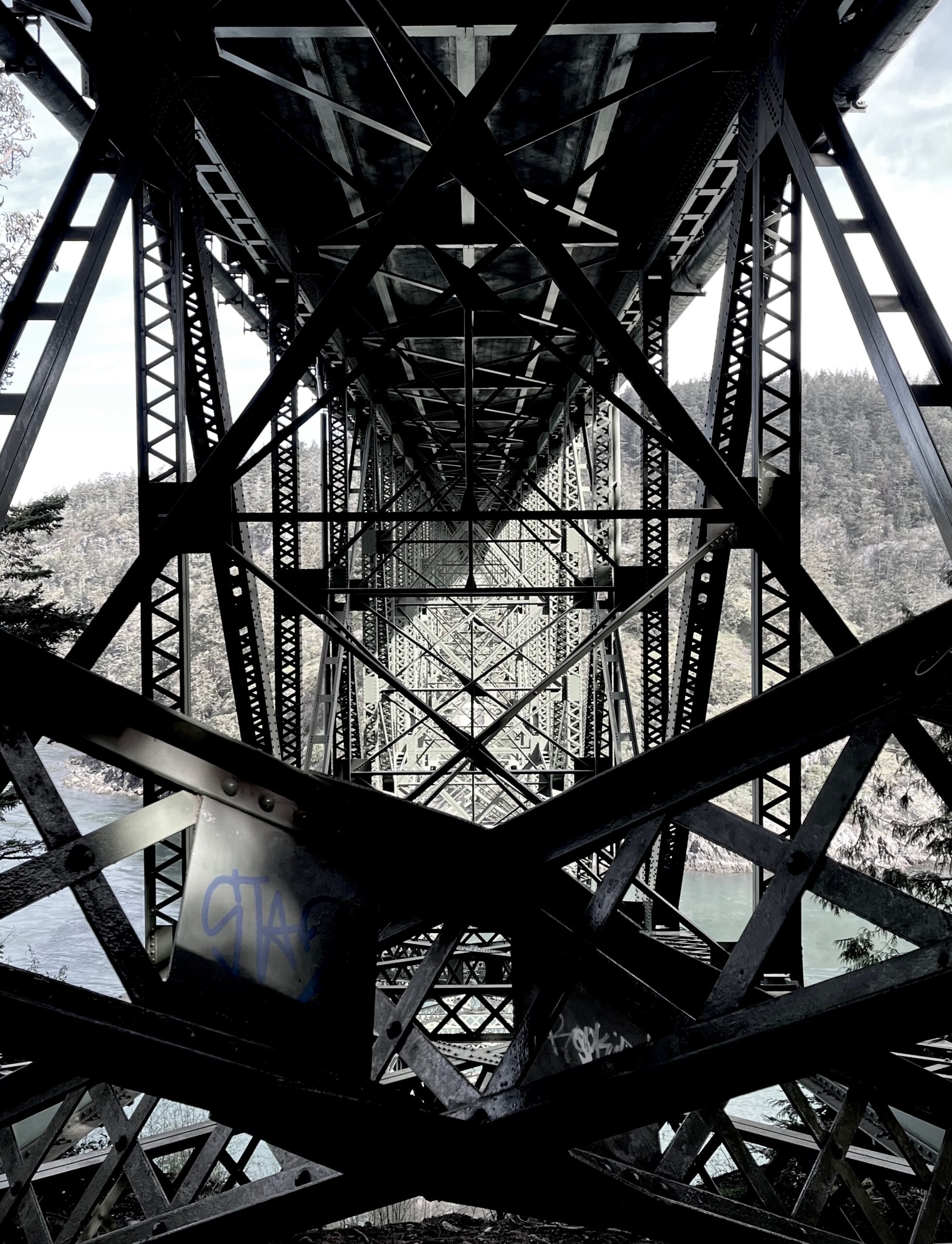 Sughra Raza. Under the Bridge at Deception Pass, Washington. April 2026.
 Donald Trump has famously called climate change and global warming a hoax. Ignorant and benighted as he is, he is far from alone. Skepticism about global warming and its causes is widespread. One overly kind reading of this skepticism is that it is, to an extent, a consequence of the general problem of dealing with very big numbers and very small numbers. Such numbers fall outside people’s familiar mid-size range, and so intuition about them isn’t well-developed. Also unfamiliar to most are the effects of exponential growth or decline.
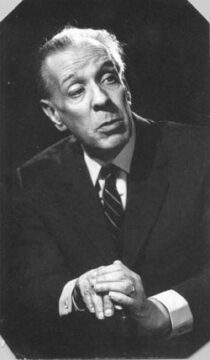
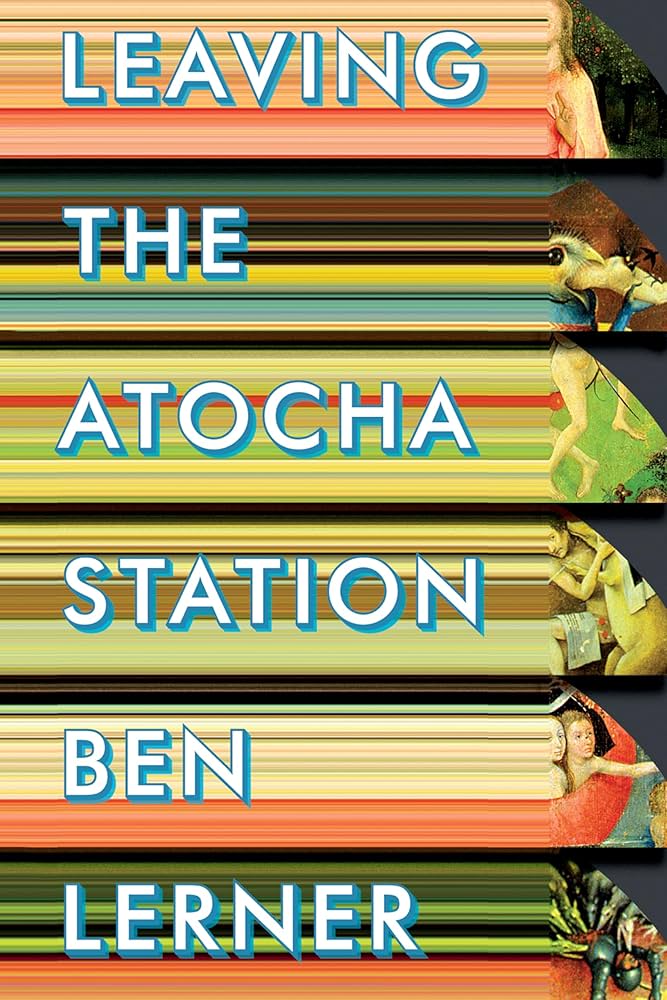 I had meant to read Ben Lerner’s new novel, Transcription, but in a process I don’t understand, all the e-books were in use at the library; I borrowed his first novel, Leaving the Atocha Station (2011), instead. I’d never read Lerner, this despite having written a long essay defending autofiction in The Republic of Letters (Lerner is considered one of the genre’s main exemplars), focusing instead on the non-American writers of autofiction (Knausgaard, Cusk, Ferrante). I’ve always preferred European literature to American literature, the one exception being Americans who write about Europe, like Henry James or James Baldwin, but when I opened Leaving the Atocha Station, I discovered that Lerner also writes about Americans in Europe; in this case, the American is Adam Gordon, a version of Lerner who is on a poetry fellowship in Madrid, much like Lerner was a Fulbright scholar in Madrid in 2004, the year the book takes place.