From New Statesman:
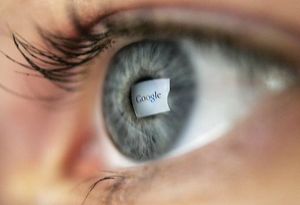 Today if you are not often wired, you do not exist. Like radio and television in other times, the internet has become not only an indispensable tool but also a vital component of our life. It has become so useful, significant, and meaningful for variety of administrative, cultural, and political reasons that a life without it seems unimaginable in the twenty-first century. But the ownership of this interactive life is troubled: when you start seeing interesting advertising on your Gmail banner, personalised ads aimed just at you, your existence has begun to belong to others. At last count, there are now 2,267,233,742 users of the internet, that is, 32.7 per cent of the world population. While these numbers refer primarily to North America, Asia, and Europe, in Africa, Latin America, and the Middle East its use is growing rapidly. However, there is a big difference between being online and being wired. This is not a simple semantic difference, but rather an existential distinction that determines our roles, tasks, and possibilities in the world today. Without suggesting a return to twentieth century existentialism (which arose as a reaction against scientific systems threatening humans beings uniqueness) philosophy must stress the vital danger that being wired can pose for our lives.
Not everyone who is online is also wired. The latter refers to those capable to finding a date or a job through social networks such as LinkedIn, downloading the latest episodes of True Blood, or purchasing self-designed Nike shoes; the former avoid these services. Using the internet just for an email account and cheap airline tickets does not make you technologically incompetent, but rather concerned for your existential distinctiveness, that is, autonomy. For the wired West the danger of the internet does not lie in going crazy from too many hours spent online, although this is becoming more common, but rather in considering a wired existence transparent, free, and vital for your life rather than an active threat. Although being wired assures you an identity on the web, that is, a position in the new wired world, it also frames your existence within the possibilities and limitations of the web. This is why Tim Berners-Lee, a founder of the web, recently pointed out how the “more you enter, the more you become locked in. Your social networking site becomes a central platform—a closed silo of content, and one that does not give you full control over your information in it.”
More here.
