
Steven Pinker in Slate:
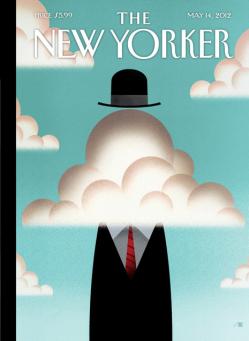
If you didn’t already know that euphonious dichotomies are usually phony dichotomies, you need only check out the latest round in the supposed clash between “prescriptivist” and “descriptivist” theories of language. This pseudo-controversy, a staple of literary magazines for decades, was ginned up again this month by The New Yorker, which has something of a history with the bogus battle. Fifty years ago, the literary critic Dwight Macdonald lambasted the Third Edition ofWebster’s New International Dictionary for aiming to be “a recording instrument rather than … an authority” and insufficiently censuring such usages as “deprecate” for depreciate, “bored” fordisinterested, and “imply” for infer. And in a recent issue, Joan Acocella, the magazine’s dance critic, fired a volley of grapeshot at the Fifth Edition of the American Heritage Dictionaryand at a new history of the controversy by the journalist Henry Hitchings, The Language Wars. Acocella’s points were then reiterated this week in a post by Ryan Bloom on the magazine’s Page-Turner blog. The linguistic blogosphere, for its part, has been incredulous that The New Yorker published these “deeply confused” pieces. As Language Log put it, “Either the topic was not felt to be important enough to merit elementary editorial supervision, or there is no one at the magazine with any competence in the area involved.”
According to the sadly standard dichotomy, prescriptivists believe that certain usages are inherently correct and others inherently incorrect, and that to promote correct forms is to uphold truth, morality, excellence, and a respect for the best of our civilization. To indulge incorrect ones, meanwhile, is to encourage relativism, vulgar populism, and the dumbing down of literate culture.
Descriptivists, according to this scheme, believe that norms of correctness are arbitrary shibboleths of the ruling class, designed to keep the masses in their place. Language is an organic product of human creativity, and the people should be given the freedom to write however they please.
More here.