
November 26, 2011
Africa Unleashed: Explaining the Secret of a Belated Boom
Edward Miguel in Foreign Affairs:
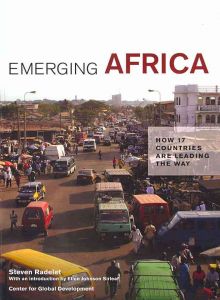
It is well known that the 1970s, 1980s, and 1990s were a disaster for the countries of sub-Saharan Africa. In a period when other underdeveloped regions, especially Asia, were experiencing steady economic growth, Africa as a whole saw its living standards plummet. Nearly all Africans lived under dictatorships, and millions suffered through brutal civil wars. Then, in the 1990s, the HIV/AIDS epidemic exploded, slashing life expectancy and heightening the sense that the region had reached rock bottom. It was no surprise when an intellectual cottage industry of Afro-pessimists emerged, churning out a stream of plausible-sounding explanations for Africa's stunning decline. The verdict was simple: Africa equaled failure.
What is less well known is that Africa's prospects have changed radically over the past decade or so. Across the continent, economic growth rates (in per capita terms) have been positive since the late 1990s. And it is not just the economy that has seen rapid improvement: in the 1990s, the majority of African countries held multiparty elections for the first time since the heady postindependence 1960s, and the extent of civic and media freedom on the continent today is unprecedented. Even though Africa's economic growth rates still fall far short of Asia's stratospheric levels, the steady progress that most African countries have experienced has come as welcome news after decades of despair. But that progress raises a critical question: what happened?
More here.
Posted by S. Abbas Raza at 05:11 AM | Permalink


Comments
What, no mention of the role the IMF/USAID/World Bank etc. played in this? That alone should tell you that this is an ideological tract.
As the publisher-provided Amazon description puts it: "The end of the debt crisis and a more constructive relationship with the international community" -- if only that were a cynical joke. This is bound to be little more than an attempt at revisionist history.
Secondly, the "indicators of progress" this book uses strike me as fairly suspect.
Posted by: Foppe | Nov 26, 2011 6:13:39 AM
Post a comment