
by Kevin S. Baldwin
One of the little-known delights of the Midwest is pioneer cemeteries. These are burial places dating from the late 18th century to the early years of 20th century, during the period of westward territorial expansion.
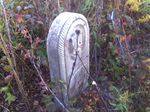
Like many people, I find cemeteries to be places that promote contemplation at many levels, the most obvious being one's own mortality. Unavoidable, but perhaps best not to dwell on. Another level is on the mortality of the people buried there. The typical ages at death, and high child and infant mortality rates are major reality checks on just how unusual the period that we in the first world enjoy today is: But for vaccinations and antibiotics many of us would be under the sod ourselves.
I like to focus on how these people lived rather than how they died. As I read their headstones, I wonder, what events encompassed their lives? What, if anything, did they read besides the Bible? How did they prosecute a daily existence in this area, through subzero winters and blazing hot summers? If they were immigrants, what was their voyage to the New World like? What did they bring with them? What did they leave behind? There are a couple Civil War casualties. Sons, daughters, husbands, wives, brothers, sisters, elderly, adults, teens, children, infants, and so on,…
At yet another level it is easy to get wrapped up in the craftsmanship evident in the carving of the headstones: The fonts, the epitaphs, and the iconography are all fascinating. The range of size and quality of the stones is also quite extraordinary.
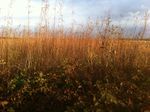
The plot I am most familiar with is a postage-stamp sized acre in the midst of some enormous farms called Spring Grove Cemetery. It is easily recognizable from the highway from late Fall through early Spring because the headstones and vegetation stand in high relief compared to the carefully mowed and plowed remains of the corn and soybeans that surround it. Spring Grove is not a fertilized, manicured plot. It was never plowed, so a myriad of native tall-grass prairie plants still reach skyward every spring, slowly obscuring the graves within.
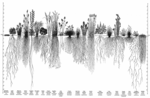
We (meaning the Biology Department where I teach) burn part of the plot every Spring to ensure that the native plants continue to thrive. In contrast to the annual grasses we plant like corn and wheat, which have been carefully selected to put as little energy into roots and stems and as much into seeds as possible, these perennials have massive, deep systems to ensure survival throughout the driest droughts and hottest fires. They sprout anew from beneath the ashes and dust left behind by a blaze. We burn only about half the plot at a time to ensure that insects and wildlife can find refugia in the unburnt sections and recolonize the newly burnt patches.
Burns are fun. Low winds are essential to keep things from spreading out of control. Even so, we occasionally we burn a bit more than intended. The first prairie burn I ever took part in was spectacular. I could hear its crackling on the opposite side of a rise from where I was standing long before I saw it. Something about that sound awakened a primeval part of my brain. A shot of adrenalin coursed through my body accompanied by a heightened state of awareness. I was ready to run if necessary either to escape the blaze or to chase down whatever fled the flames. My inner Australopithecus was definitely on for a while that day and it was intoxicating. Subsequent burns have not had the same effect despite my fervent hopes that they might. Still, they are something to behold. A small blaze can explode into a fierce but brief conflagration. A year's worth of biomass accumulation is consumed in seconds, generating heat that can burn the hair off your knuckles from meters away. And then suddenly it's over, leaving behind some ash and smoldering embers, with curls of smoke circling around your ankles. Epic destruction, yet the possibility for renewal. The phosphorus and other nutrients released by the fire is suddenly available to nourish the next year's growth. Within a few days, green shoots are poking up through the remains of the burn and by the end of summer many of the plants are 2 meters tall again, swaying in the breeze.
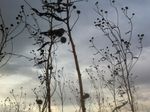
Cemeteries and prairies: Empirical parables about The Circle of Life? You bet. And also the source of an unexpected turn of events: The pioneers were the ones who busted the sod with the new-fangled steel plow in the middle of the 19th Century. They fed themselves and a growing population at what was then, the edge of their civilization. Today, their burial place is an Illinois Nature Preserve. Ironically, bits of the prairie that these pioneers were so eager to break and convert into food is now preserved by the presence of their remains.
Thanks to Dillon Harris for the photos.