
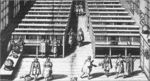
Worry about information overload has become one of the drumbeats of our time. The world’s books are being digitized, online magazines and newspapers and academic papers are steadily augmented by an endless stream of blog posts and Twitter feeds; and the gadgets to keep us participating in the digital deluge are more numerous and sophisticated. The total amount of information created on the world’s electronic devices is expected to surpass the zettabyte mark this year (a barely conceivable 1 with 21 zeroes after it). Many feel the situation has reached crisis proportions. In the academic world, critics have begun to argue that universities are producing and distributing more knowledge than we can actually use. In the recent best-selling book “The Shallows,” Nicholas Carr worries that the flood of digital information is changing not only our habits, but even our mental capacities: Forced to scan and skim to keep up, we are losing our abilities to pay sustained attention, reflect deeply, or remember what we’ve learned. Beneath all this concern lies the sense that humanity is experiencing an unprecedented change — that modern technology is creating a problem that our culture and even our brains are ill equipped to handle. We stand on the brink of a future that no one can ever have experienced before. But is it really so novel?
more from Ann Blair at the Boston Globe here.